
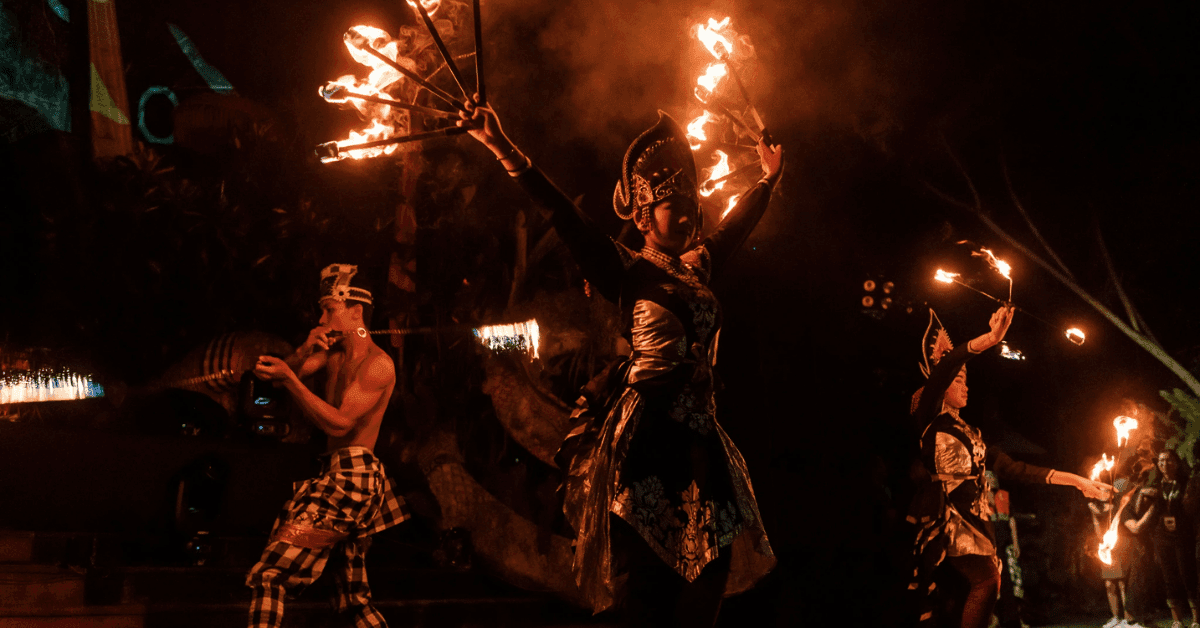
If you ever wanted to feel Bali speak not through waves or temples this time, but through words, then Ubud Writers & Readers Festival (UWRF) is where that happens. Every October, when the air turns soft with that little drizzle and incense smoke floats lazily from temples, Ubud becomes something else. It’s no longer just that yoga-lover’s paradise or honeymoon hideaway — it turns into a buzzing, magical village of stories.
You walk through the narrow streets and hear accents from everywhere. Poets, journalists, dreamers, authors you might’ve seen on book covers all just sitting at a café, sipping kopi Bali. And right next to them, locals chatting about gamelan or rice harvests. That’s the thing about UWRF. It’s not some posh literary event; it’s a human celebration. It’s Bali’s soul, written in 1000 voices.
The Beginning — How One Story Sparked a Festival
It all started with one woman — Janet DeNeefe, an Australian who fell in love with Bali decades ago and made Ubud her home. After the 2002 Bali bombings, the island was hurting. Tourism had dropped, and the community needed healing. Janet believed stories could do that — could bring people together again.

So in 2004, she created the Ubud Writers & Readers Festival, a small gathering of local writers, artists, and travelers who wanted to share hope through words. Fast forward 20 years later, it’s become one of Asia’s leading literary festivals, drawing international writers, Nobel laureates, film directors, journalists, and even travelers who’ve never written a word but love to listen.
Every year has a theme — something deep and soulful that connects Bali’s spiritual heartbeat with global conversations. In 2025, the theme whispers of “Kata Jiwa” — roughly translated as “the voice of the soul”. Could it be more Ubud?
What Actually Happens During the Festival
Imagine a week where every corner of Ubud — from cozy cafés to temple courtyards — becomes a stage for storytelling.
There are main sessions, where famous authors share their journeys — the struggles, the loneliness, the humor in writing. Then there are book launches, poetry slams, film screenings, and even art exhibitions tucked in behind rice paddies.
You can just wander around and accidentally stumble into a talk by your favorite novelist — or a spontaneous debate about love, politics, or climate change under a banyan tree.
Some of the past speakers have been legends — Hanif Kureishi, Chimamanda Ngozi Adichie, Michael Ondaatje, Tash Aw, and countless Indonesian literary icons like Leila S. Chudori and Goenawan Mohamad.
It’s not just about books — it’s about connection. People read, yes, but they also listen, flirt, argue, create, heal. The energy feels alive, like a small village wedding of ideas.
The Unexpectedly Romantic Side of UWRF
You wouldn’t expect a book festival to feel romantic — but Ubud somehow does that. Maybe it’s the setting. The rain tapping on rooftops, the smell of wet earth, the sound of gamelan echoing from afar.
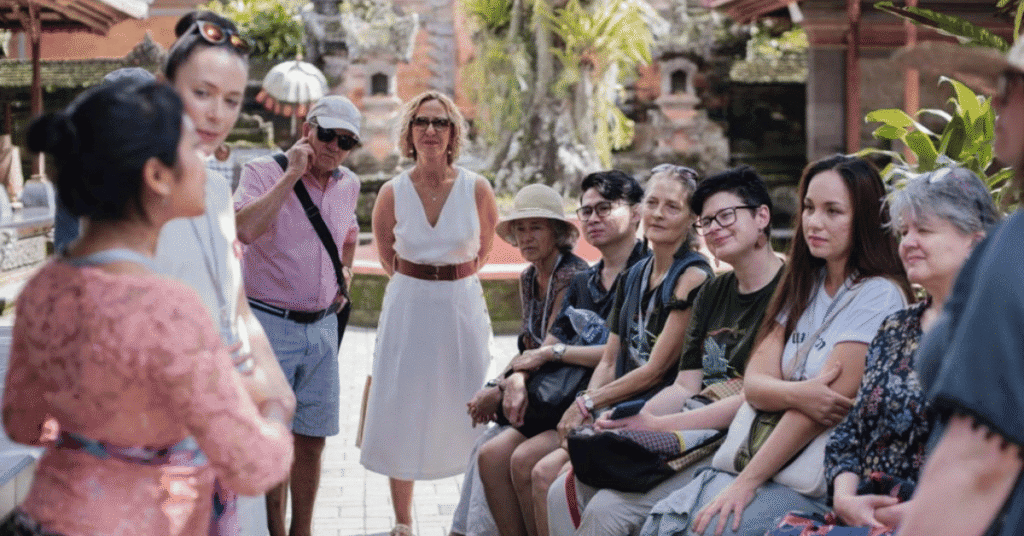
Couples wander through the markets between sessions, holding hands, carrying a stack of signed books. They sit in cafes like Casa Luna or Clear Café, talk about poetry and their next island adventure. It’s that slow, soulful intimacy that happens when you pause life and listen together.
If you’re a honeymooner who loves meaning more than luxury — this week in Ubud might be your perfect escape. You won’t find loud music or pool floats here. Instead, you’ll find soft conversations, deep eye contact, stories about love and loss, and the kind of connection that makes you see your partner differently.
Imagine attending a poetry evening at Taman Baca while sipping a glass of local arak, surrounded by flickering candles. Or sneaking off after a panel discussion to take photos in the rice terraces nearby. It’s not flashy romance; it’s quiet, grown-up romance — the kind that lingers.
Cafés, Culture & Conversations
The heart of UWRF isn’t just in its talks. It’s in its cafés and corners.
During the festival week, Taman Baca, Indus Restaurant, and Casa Luna become social hubs. You’ll overhear conversations about books, climate, love, politics, and sometimes random laughter about nothing at all.
Ubud’s streets get livelier than usual. You’ll see book stalls with rare Indonesian titles, young writers signing zines, Balinese musicians playing soft bamboo tunes while children run around. There’s even a Food of the Gods event — a culinary gathering that pairs storytelling with Balinese feasts (honestly, it’s divine).
Evenings often end with live music or film screenings under the stars. And there’s always that one hidden bar where half the festival ends up, dancing barefoot by midnight.
The People — Writers, Readers & Wanderers
UWRF attracts a mix of souls. You’ll meet journalists who’ve covered wars, poets who live on boats, travelers who arrived by accident and never left.

It’s a place where barriers vanish. You might be queuing for coconut coffee next to a Booker Prize nominee — and you’ll talk like old friends.
What’s truly beautiful is how the festival gives space to Indonesian voices. Many local writers, artists, and activists find their audience here. They speak about identity, spirituality, gender, environment — all with that unique Indonesian rhythm that dances between humility and power.
There’s a session each year in Bahasa Indonesia, often translated, so everyone can connect. It’s inclusive, open, and very, very Bali.
Beyond the Books — Art, Wellness & Activism
UWRF isn’t just intellectual; it’s sensory. Alongside the talks and readings, there are art installations, cultural performances, and wellness sessions. Think morning yoga in rice fields followed by a creative writing workshop, or sound-healing sessions paired with poetry meditations.
You might join a Balinese offering-making class that blends spirituality with art, or watch traditional dance performances that tell mythic love stories.
Activism also finds its place — topics like climate anxiety, indigenous storytelling, women’s rights, and sustainable tourism run deep here. It’s where art meets awareness.
Where to Stay During UWRF
If you’re visiting for the festival, book early — Ubud gets packed! Some top picks that vibe with the festival’s energy:
- Alila Ubud – hidden in jungle greens, 15 mins from the center perfect for quiet nights after long festival days.
- Bisma Eight – stylish boutique with creative energy, walking distance to major venues.
- The Udaya Resort – dreamy, lush, ideal for honeymooners.
- Adiwana Resort Jembawan – holistic wellness retreat; many writers stay here for peace.
Budget travelers can check Jalan Monkey Forest guesthouses — small, local, full of friendly faces.
Pro tip: many festival attendees stay in villas together, turning it into a creative retreat of sorts. Imagine waking up with a group of fellow storytellers, sipping morning coffee as the jungle hums — it’s a mood.
Tickets, Access & How to Join
- Dates: 29 October – 2 November 2025
- Location: Multiple venues in central Ubud (main hub: Taman Baca, Indus Restaurant, Casa Luna).
- Tickets: Usually around IDR 3.5 million (~USD 220) for a 4-day pass, but day passes and student discounts are available.
- Website: ubudwritersfestival.com
You can book passes online, and some sessions are free to attend — especially community or youth events.
UWRF for Couples & Honeymooners
Here’s a fun idea: make this part of your Bali honeymoon itinerary. Spend the first week exploring beaches in Canggu or Uluwatu, then come to Ubud just as the festival starts.
Start your mornings with a blessing ceremony at a temple, spend your afternoons listening to writers talk about love, and your nights at jazz bars or quiet dinners surrounded by lanterns.
It’s not your usual “honeymoon” — it’s slower, deeper, thoughtful. A perfect blend of love, art, and soul. And Bali has this weird power: once you open your heart, everything starts to flow — words, emotions, maybe even a few tears.
When It Rains, It’s Magic
October in Ubud is unpredictable. One moment sunshine, the next a burst of tropical rain. But that’s part of the charm. Talks continue indoors while raindrops play percussion on bamboo roofs. People huddle closer, conversations get warmer, and someone always ends up sharing an umbrella.
The air smells of wet soil and sandalwood. You feel time slow down. Bali is like that — even rain feels like poetry here.
Why UWRF Matters (Even If You’re Not a Writer)
Because stories matter. They heal, connect, and remind us that we’re all the same — just walking, learning, loving, trying to make sense of the world.
In a world that scrolls too fast, Ubud Writers & Readers Festival makes you stop. Makes you listen.
Maybe that’s why it fits so beautifully in Bali’s rhythm — an island that teaches you to slow down and just be.
Final Thoughts — The Soul of Ubud in Words
If you ever find yourself in Bali in late October, skip one beach day and head up to Ubud. You’ll find stories floating in the air, people smiling for no reason, and love — in the quiet, simple, human kind of way.
Ubud Writers & Readers Festival isn’t just about literature. It’s about connection. Between people, between cultures, between hearts.
And who knows — you might leave not just with a signed book, but with something far rarer… a story of your own.