
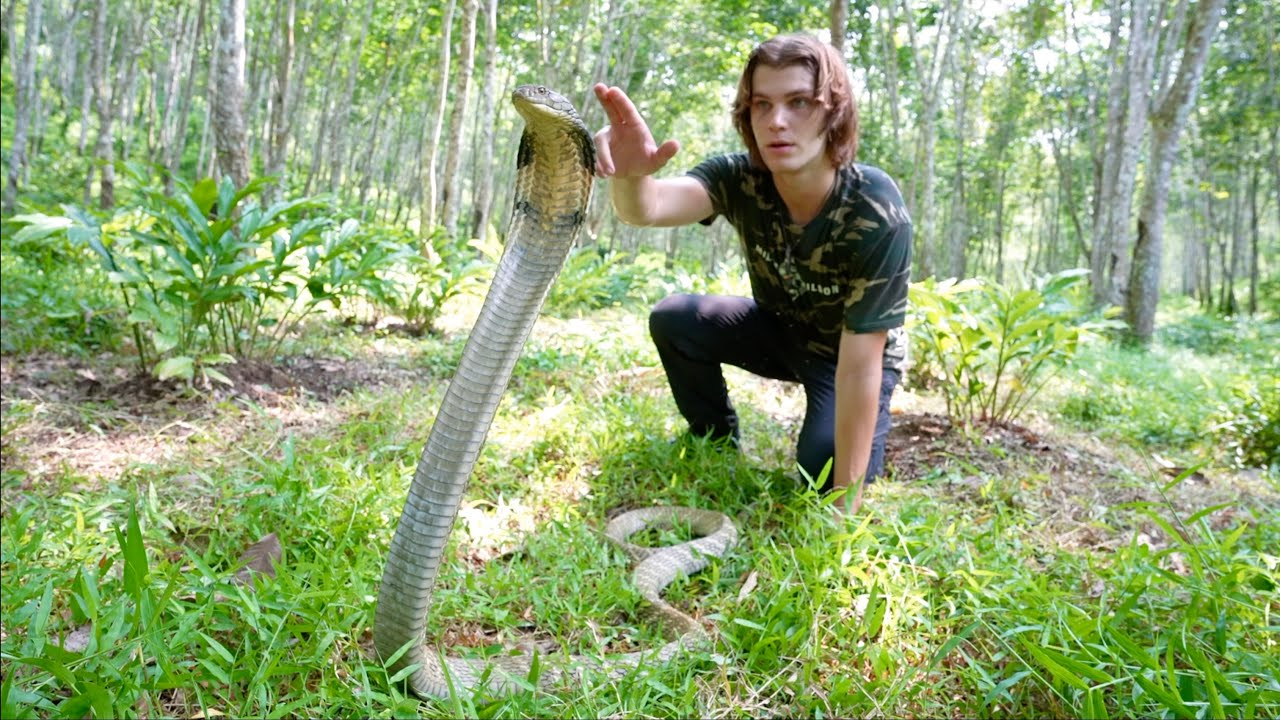
Bali is often sold as beaches, temples, cafes, and sunsets. But once you step beyond the resorts, the island reveals something deeper. Dense jungles, rice fields, waterfalls, volcano slopes, and wild coastlines. For nature lovers, Bali feels alive. And naturally, with wildlife come questions. One of the most common being, is Bali safe when it comes to snakes, especially the King Cobra?
The King Cobra is real. It exists in Bali. It is venomous. But the bigger question travelers should ask is not “does it exist” — it’s how likely are you to encounter one, and does it make Bali unsafe?
Let’s break it down calmly, honestly, and without fear.
Understanding the King Cobra in Bali
The King Cobra (Ophiophagus hannah) is the longest venomous snake in the world, growing anywhere between 3 to 5 meters in length. It is powerful, intelligent, and widely misunderstood.
In Bali, King Cobras live far away from tourist life. They prefer:
- Forest edges
- Bamboo groves
- Rice fields
- Remote rural land
- Areas close to water
They do not live on beaches, in cafes, or inside busy towns. Seeing one while walking around Seminyak, Ubud center, or Canggu is extremely unlikely.
Despite its reputation, the King Cobra does not hunt humans. It avoids them.
Is Bali Safe for Nature Lovers?
Short answer: Yes, Bali is safe for nature lovers.
Long answer: Bali is safe when nature is respected.
Thousands of travelers hike Mount Batur, explore waterfalls, walk rice terraces, stay in jungle villas, and trek to rural villages every single day. Serious wildlife incidents are rare. Snake bites are even rarer. King Cobra encounters are rarer still.
Most nature lovers who visit Bali never see a dangerous snake in their entire trip.
Real Incidents – What Has Actually Happened in Bali?
To be honest, there have been a few snakebite incidents in Bali over the years, including cases involving venomous snakes. Avoiding this topic completely would be misleading.
Incident 1 – Rural Farming Area
In one reported case, a local farm worker was bitten by a large cobra-type snake while working in a rice field in a rural part of Bali. This happened far from tourist zones. The bite occurred when the snake was accidentally stepped on. Emergency medical care was required.
This highlights an important point: most serious snake incidents in Bali involve locals working daily in nature, not tourists.
Incident 2 – Traveler in a Remote Villa Area
There has also been a reported case where a traveler staying in a remote jungle-side villa was bitten by a venomous snake at night, after walking barefoot outside. While this was not confirmed publicly as a King Cobra, it involved a highly venomous species.
The traveler received medical treatment and survived. The incident gained attention mainly because such cases are uncommon.
Both situations had something in common. Remote location. Low visibility. Accidental contact.
Not beach clubs. Not guided hikes. Not city streets.
How Dangerous Is a King Cobra Bite?
There’s no sugar-coating this part.
A King Cobra bite is medically serious. Its venom attacks the nervous system and can cause:
- Paralysis
- Breathing failure
- Heart complications
- Death if untreated
However, it’s also important to understand:
- King Cobras do not strike without reason
- Most bites are defensive
- Many encounters end without any bite at all
- Encounters with tourists are extremely rare
Fear often comes from imagination, not statistics.
Why Tourists Are Unlikely to Be at Risk
Here’s why Bali remains safe for travelers who love nature:
- Tourist areas are highly developed
- Trails are commonly used and maintained
- Snakes avoid noisy, busy environments
- Most nature activities happen during daylight
- Guides know how to spot warning signs
You are far more likely to get sunburned, dehydrated, or stuck in traffic than bitten by a snake.
Simple Safety Tips for Nature Lovers in Bali
You don’t need to be paranoid. Just aware.
When exploring nature:
- Stay on visible paths
- Avoid walking barefoot outdoors at night
- Use a torch if staying in jungle areas
- Don’t touch or provoke wildlife
- Wear shoes in rice fields or forested zones
Around villas:
- Keep doors closed at night
- Avoid leaving food scraps outside
- Inform staff if you see any wildlife activity
Most villas and eco-lodges in Bali already take precautions.
Snakes in Bali – Not Just King Cobras
Bali is home to several snake species. Most are harmless. Some are venomous. But all prefer avoiding humans.
Venomous snakes in Bali include:
- King Cobra
- Javan Spitting Cobra
- Green Pit Viper
- Malayan Pit Viper
- Kraits
- Coral snakes
Non-venomous snakes are far more common and help control pests.
Seeing a snake does not mean danger. It usually means you’re close to nature.
Cultural Perspective – How Locals View Snakes
In Balinese culture, snakes are not treated as monsters. They are part of the natural and spiritual world.
Many locals associate snakes with:
- Earth energy
- Protection
- Balance
- Sacred guardians (Nāga)
This cultural respect often results in less aggression toward wildlife, which also reduces unnecessary snake encounters.
Should King Cobras Stop You from Exploring Bali?
No. And most experienced travelers will tell you the same.
Bali’s jungles, rice fields, waterfalls, and volcanoes are among its greatest gifts. Avoiding them because of a rare animal encounter would mean missing the heart of the island.
Awareness is smart. Fear is unnecessary.
Final Answer – Is Bali Safe for Nature Lovers?
Yes. Bali is safe for nature lovers, hikers, photographers, yogis, explorers, and slow travelers.
The King Cobra exists, but it does not dominate the experience. It lives quietly, away from crowds, doing what it has always done. Respecting nature, following basic safety habits, and staying informed is enough.
Bali remains one of the most rewarding places in the world to experience nature — calmly, deeply, and safely.